Is It Really an Employee Problem—or Is Your Process Setting Them Up to Fail?
You hired good people.
So why are you still answering the same questions, reminding people to follow up, checking completed work, and stepping into decisions you thought someone else owned?
It’s easy to think:
I have an employee problem.
Sometimes, you do.
But before replacing the employee, adding another manager, or deciding nobody can do it quite like you can, ask:
Is the person failing the process—or is the process failing the person?
How Do You Know If It’s a People Problem or a Process Problem?
Start with repetition.
If multiple capable people struggle with the same task, miss the same handoff, ask the same questions, or bring the same decisions back to the owner, look at the process before assuming you keep hiring the wrong people.
For someone to perform consistently, a few things need to be clear:
Who owns it?
What does “done” mean?
When does it need to happen?
Where does the necessary information live?
What decisions can they make independently?
What happens next?
How do you know it was completed?
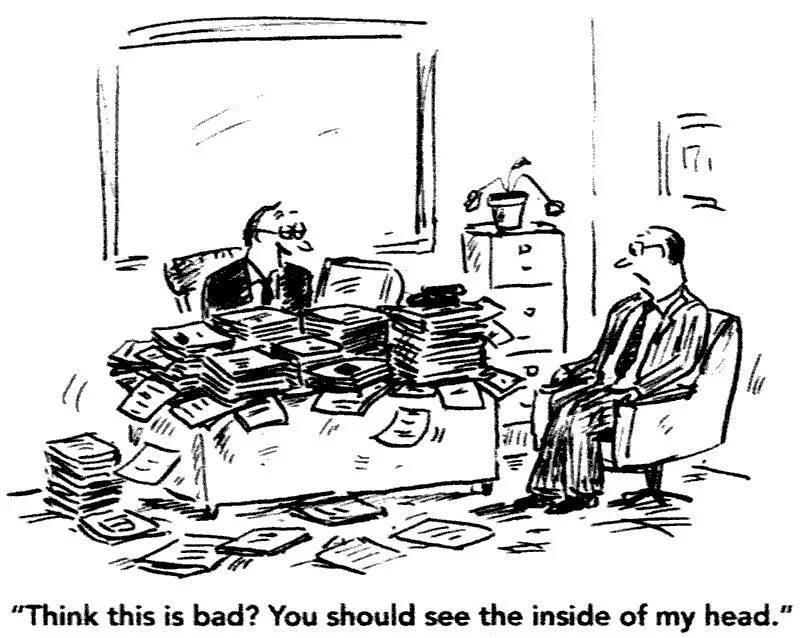
When those answers live primarily in the owner’s head, even good employees can look inconsistent.
That’s not removing accountability. It’s making sure there is something clear to hold people accountable to.
What the Owner Sees vs. What I’d Look For
When I work with a business, I’m interested in what keeps happening—not just the latest incident.
“They never follow up.”
I’d ask:
Who owns the follow-up?
What triggers it?
Is there a specific date for the next contact?
Where is that date recorded?
How does anyone know whether it happened?
If the process is essentially “remember to call them,” you don’t have much of a follow-up system yet.
“Nobody takes initiative.”
Before assuming someone lacks initiative, I’d ask what they’re authorized to decide.
If employees have been trained to ask the owner before changing a schedule, resolving a customer issue, adjusting a small purchase, or moving work forward, they may be doing exactly what the business taught them to do.
What looks like a lack of initiative may actually be unclear decision-making authority.
“They keep asking me the same questions.”
Where does the answer live?
Is it documented and easy to find while they work?
Is the documented answer still how the business operates?
A 42-page procedure manual nobody opens is not necessarily a usable process.
“I have to check everything.”
Has the business clearly defined what complete looks like?
One person may think a job is complete when the physical work is finished. The owner may expect the customer to be updated, photos uploaded, notes entered, the invoice prepared, and the next task assigned.
If that distinction was never made clear, everyone may be working from a different finish line.
“This employee just can’t get it.”
Maybe. But ask:
Has someone else struggled in this exact same part of the business?
If employee after employee gets stuck at the same handoff, misses the same step, or needs the same reminder, be careful about treating each instance as a separate personnel problem.
The repetition itself is useful information.
The Question I’d Ask Before Replacing the Employee
Here’s a simple way to pressure-test the situation:
If I put another reasonably capable person into this exact same process tomorrow, what would prevent the same problem from happening again?
If the answer is nothing, replacing the employee may simply reset the clock.
You hire someone new. They learn pieces of the process from you, coworkers, old emails, and trial and error. For a while, things seem better.
Then the same missed follow-up happens. The same information gets lost. The same decision comes back to you.
That cycle gets expensive—not just through payroll and turnover, but through owner time, customer experience, delayed work, repeated mistakes, missed opportunities, and the mental load of remembering what everyone else is supposed to remember.
A Better Process Does Not Eliminate Employee Accountability
Sometimes the process is clear. The employee was trained, knows what they own, has the necessary information and authority, and understands the expectations.
If the same issue continues, you have much better information about the actual performance problem.
Clear operations don’t make accountability softer. They make it fairer and easier to see.
Instead of asking, “Why can’t you just get this right?” you can point to the agreed process, the expected result, where it broke down, and what needs to change.
That is a stronger position for both the employee and the owner.
Before You Add Another Person, Look at How the Work Moves
Growing service businesses often reach a point where the owner can no longer carry every detail. That’s normal.
Growth gets uncomfortable when the business still depends on the owner to remember the next step, answer every question, approve every decision, and catch every missed handoff.
Before assuming you need different people, more software, another manager, or another layer of oversight, examine the work itself:
Where does it start?
Who owns the next step?
Where does information move?
Where does it stop?
What repeatedly comes back to the owner?
Those patterns usually tell you more than the latest fire.
That’s the kind of work I do through Operational Discovery at InsideOut Strategic Growth.
We look at how the business is actually operating—not how it is supposed to operate—identify where work, accountability, information, and opportunities are getting stuck, and determine what needs to be fixed next.
Because sometimes the person isn’t the real problem.
Sometimes the process has been setting them up to fail.